
Heat Hates Solar: The Arizona Paradox
It's not just about sun; it's about temperature. Learn how extreme heat reduces solar output and which panels handle the desert best.
Solar payback in your region — free estimate, instant calculator.
Open calculator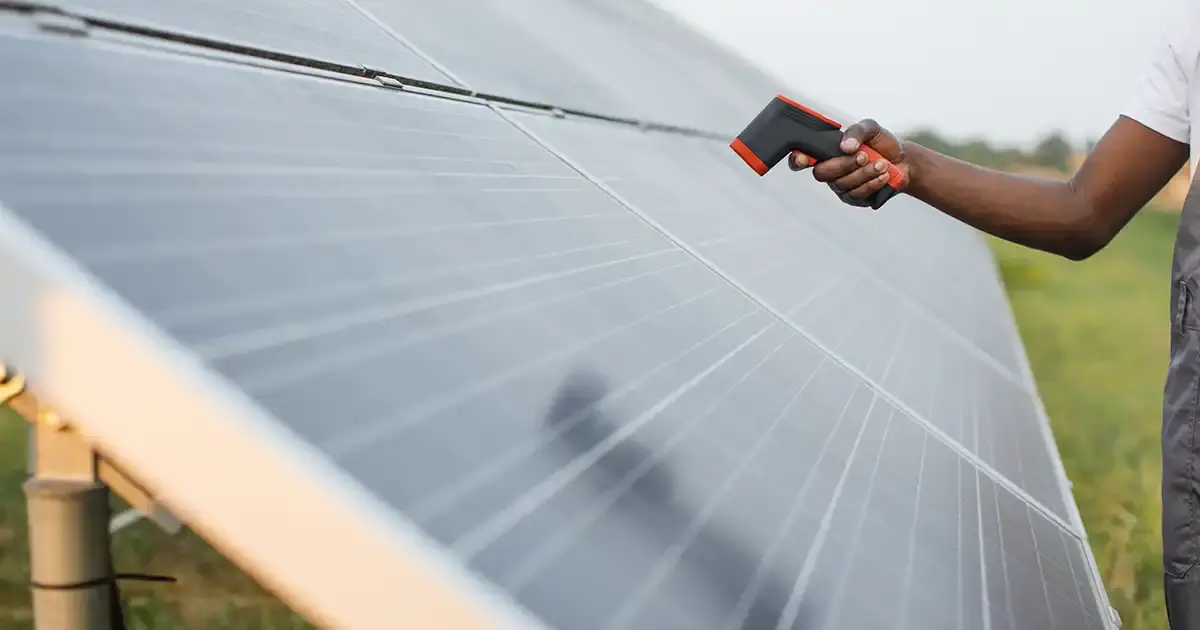
It is July in Phoenix. 115°F. The sun is blazing. You check your solar app, expecting to see record-breaking numbers.
Instead, you see a dip. Your system is producing less power than it did in May.
The Physics of Heat Solar panels run on light (photons), not heat. In fact, heat is the enemy of electronics.
Inside the solar cell, electricity is just excited electrons moving around. When the panel gets hot, the resistance increases. The electrons move slower. Voltage drops.
Every solar panel has a spec called the Temperature Coefficient. * Standard Panel: -0.4% per degree Celsius. * Premium Panel: -0.25% per degree Celsius.
That means for every degree above 77°F (25°C), you lose power. On a black roof in Arizona, a panel can easily hit 150°F. A cheap panel might lose 20% of its total capacity just because it is hot.
The Chimney Effect This is why installation matters. You never flush-mount panels directly to the shingles (unless they are those terrible solar shingles).
We install them on rails with a 4-inch to 6-inch air gap. This gap is crucial. Cool air gets sucked in the bottom and hot air rises out the top. It creates a natural draft—a chimney—that strips heat away from the glass.
Pro Tip From the Field "I see homeowners trying to install 'Critter Guards' or 'Aesthetic Skirts' that go all the way to the roof deck and seal the airflow.
Don't do it.
If you block that airflow, you are turning your solar array into an oven. Your efficiency will tank, and you will cook the microinverters attached to the back. If you need a critter guard, use a wire mesh that breathes, not a solid metal skirt. Let the system sweat."
FAQ: Temperature Truths
- Q: What is the best weather for solar?
- A: A sunny winter day. Specifically, a crisp, clear day in May or October. High light + Low heat = Maximum power.
- Q: Do I need special 'Desert Panels'?
- A: Yes. If you live in a hot climate, pay extra for panels with a low Temperature Coefficient (like REC Alpha or Maxeon). They handle the heat much better than budget brands.
- Q: Does humidity hurt solar?
- A: Humidity usually creates haze, which scatters light and lowers production. It also traps heat. Dry, cool air is best."