
What Happens to Solar in a Hurricane?
Worried about solar panels in a storm? They are rated for 150mph winds. See why panels often protect the roof rather than destroy it.
Solar payback in your region — free estimate, instant calculator.
Open calculator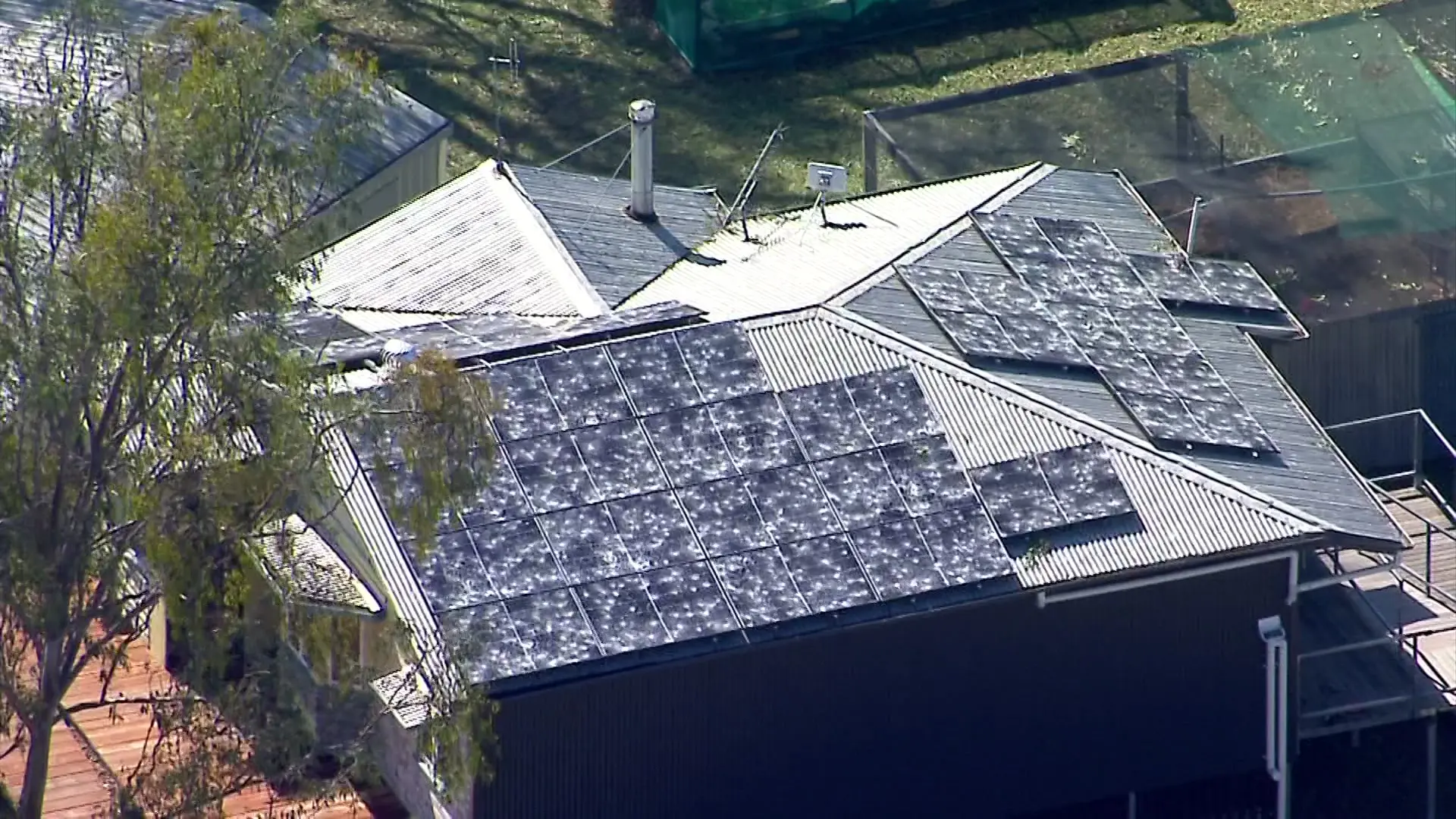
A Category 3 hurricane is barreling toward the coast. You watch the news. You look at your roof. You imagine your expensive solar panels peeling off like playing cards and slicing through your neighbor's living room.
Panic sets in. You call your installer: "Should I go up there and take them down? Should I tarp them?"
The Engineering Reality Stop. Do not touch them.
Solar arrays are not glued on. They are bolted into the structural skeleton of your house. Installers use 3-inch stainless steel lag bolts driven directly into the rafters (trusses).
When installed to code in a wind zone (like Florida or Texas), the racking systems (brands like IronRidge, Unirac, or K2) are rated to withstand 150 to 180 mph winds.
The Structural Shield In high winds, the weak point of a roof is usually the shingles. The wind gets under a shingle tab and peels it back.
A solar array actually prevents this. It acts as a giant paperweight. It presses the shingles down and creates a streamlined aerodynamic profile (a "structural diaphragm") over the roof.
Pro Tip From the Field "I did inspections in Fort Myers after Hurricane Ian. It was a disaster zone. Roofs were stripped bare down to the plywood. But I saw house after house where the only shingles left on the roof were the ones sitting under the solar panels.
The solar array survived. The roof under it survived. The rest of the roof was gone.
The only failures I saw were 'corner cutting' jobs where the installer missed the rafters ('shiners') and just screwed into the plywood decking. If you want to sleep soundly, ask your installer for photos of the pilot holes during installation. If they hit the wood, that array isn't going anywhere unless the whole house goes with it."
FAQ: Storm Prep
- Q: Should I put a tarp over the panels?
- A: NO. A tarp is a sail. The wind will catch the tarp, rip it off, and likely damage the panels or the racking in the process. Leave them bare.
- Q: What if a flying branch cracks a panel?
- A: The system will likely still produce power, but the glass is compromised. It is now a shock hazard (water + electricity). Turn off the system at the AC Disconnect immediately and call your insurance company. Do not touch the broken glass.
- Q: Does homeowners insurance cover hurricane damage to solar?
- A: Yes, provided you added the system to your policy coverage amount. It is part of the 'Dwelling' (Coverage A). Check your deductible for 'Wind/Hail.'"